

Adults should guide children on the correct gameplay of toys
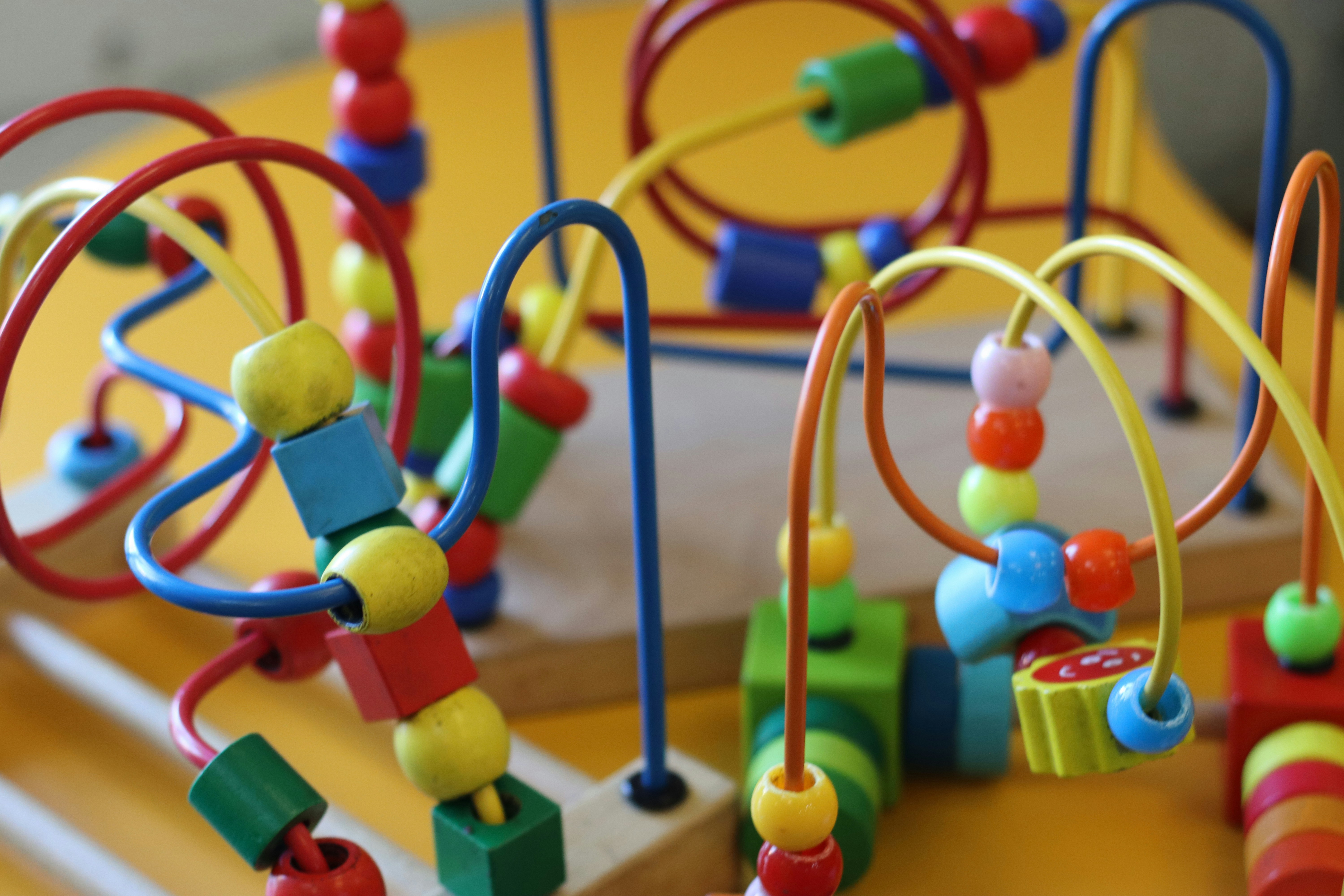
Babies do not take good care of toys, and parents have to spend a lot of effort organizing and repairing them. For children, this phenomenon should be analyzed on a case by case basis.
Explore psychology. Some children like to explore, always wanting to ask why everything is happening, and always wanting to open it up to see what secrets are hidden inside.
Tired of it. Some toys have monotonous gameplay, and after playing for a while, children lose interest.
Collect old toys. Adults can collect toys that children are currently not interested in and have left aside for a period of time. After a while, these toys will be welcomed by children again like old friends.
Encourage exploration. Children's exploratory psychology should be encouraged, and adults can purchase more toys that inspire thinking, develop skills, and are not easily damaged.
Release emotions. Some children, due to criticism from teachers and parents, have nowhere to vent their grievances, and toys become their direct targets of attack.
For the above reasons, adults should do the following:
Cognitive education. Adults should regularly educate children on how to cherish things, be diligent and frugal. If you don't buy a lot of toys for your child, you should make them understand that the toys in their hands are bought by adults who work hard and earn money.
Labor education. Let the child clean up and tidy up the venue after playing, and keep the toys, utensils, and activity room tidy. Adults can often take their children to repair toys together.
Gameplay guidance. Adults should guide children on the correct way to play toys, or discuss and play together with children.
Relieve emotions. Adults should promptly stop children from venting their emotions and damaging game materials, identify the reasons for their frustration, and provide more guidance.
